Picture walking down your local high street ten years ago. You would see bank tellers handing out cash, travel agents flipping through glossy vacation brochures, and toll booth operators waving cars through one by one. Today, most of those booths are empty, banking happens on a glowing screen in your pocket, and booking a flight takes two minutes on your couch.
Technology changed those jobs. But did it wipe out work altogether? Not even close. It shifted the landscape entirely.
Now, we are staring down an even bigger wave of change with artificial intelligence. Headlines scream daily about robots taking over offices, writing code, designing logos, and answering customer service calls. It is completely normal to feel a knot in your stomach when you wonder whether your career path has an expiration date.
Let’s look past the scary doomsday headlines and break down what is actually happening in the job market, minus the corporate buzzwords.
The Panic Room: Why Everyone is Worried About AI
Throughout human history, every major technological leap has sparked panic. When automated looms arrived during the industrial revolution, textile workers smashed the machines out of fear for their livelihoods. When personal computers landed on office desks in the 1980s, people worried filing clerks and typists would vanish forever.
The fear today feels different because AI doesn’t just mimic physical muscle. It mimics the human brain.
When a piece of software can draft a marketing email in three seconds, design a stunning graphic from a simple text prompt, or pass a medical licensing exam, white-collar professionals start sweating. Jobs that used to feel safe behind a college degree and a desk now face serious competition from algorithms that never sleep, never get burned out, and cost pennies to run.
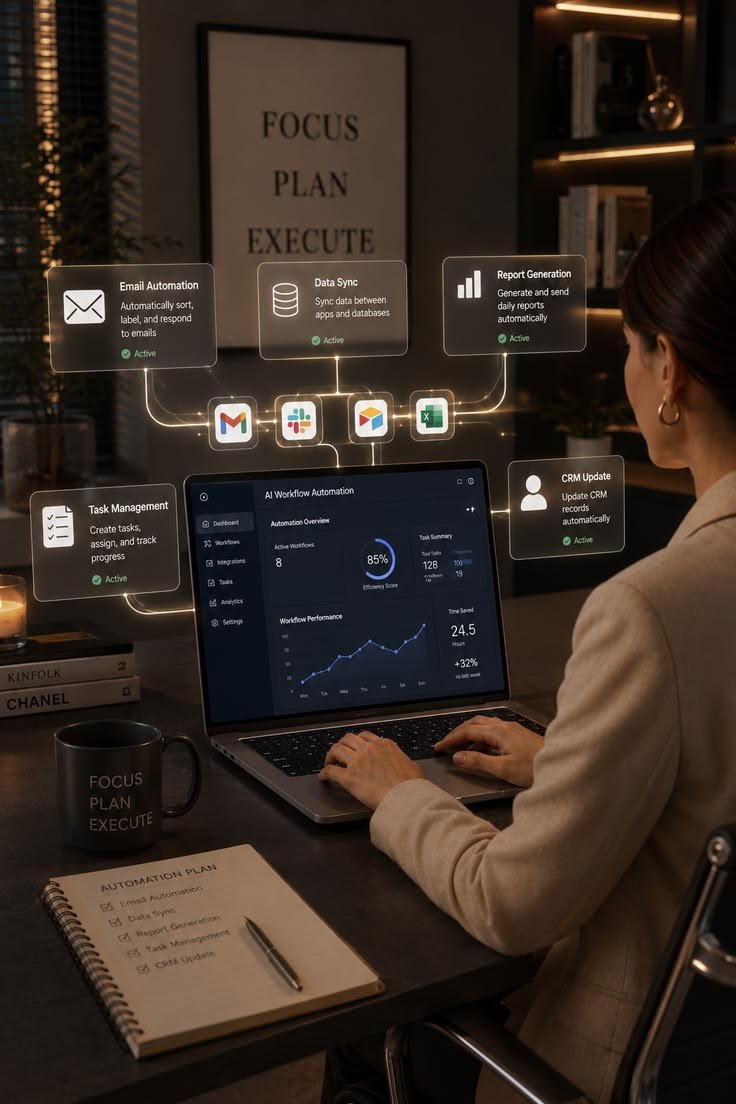
It is true: routine, repetitive tasks are disappearing fast. If your entire workday consists of copying data from one spreadsheet to another, formatting basic invoices, or writing generic product descriptions, software can do that work faster and cheaper than any human.
The Other Side of the Coin: New Doors Opening
While AI is closing old doors, it is also blowing new ones wide open. History shows that technology destroys jobs, but it creates entire industries that nobody could have imagined beforehand.
Think about it. Twenty years ago, nobody held the title of “Social Media Manager,” “Prompt Engineer,” “App Developer,” or “Podcast Producer.” Those roles exist today because the internet and smartphones unlocked massive new ecosystems of business.
AI is doing the exact same thing right now. Here are a few ways the job market is shifting:
1. From Doer to Director
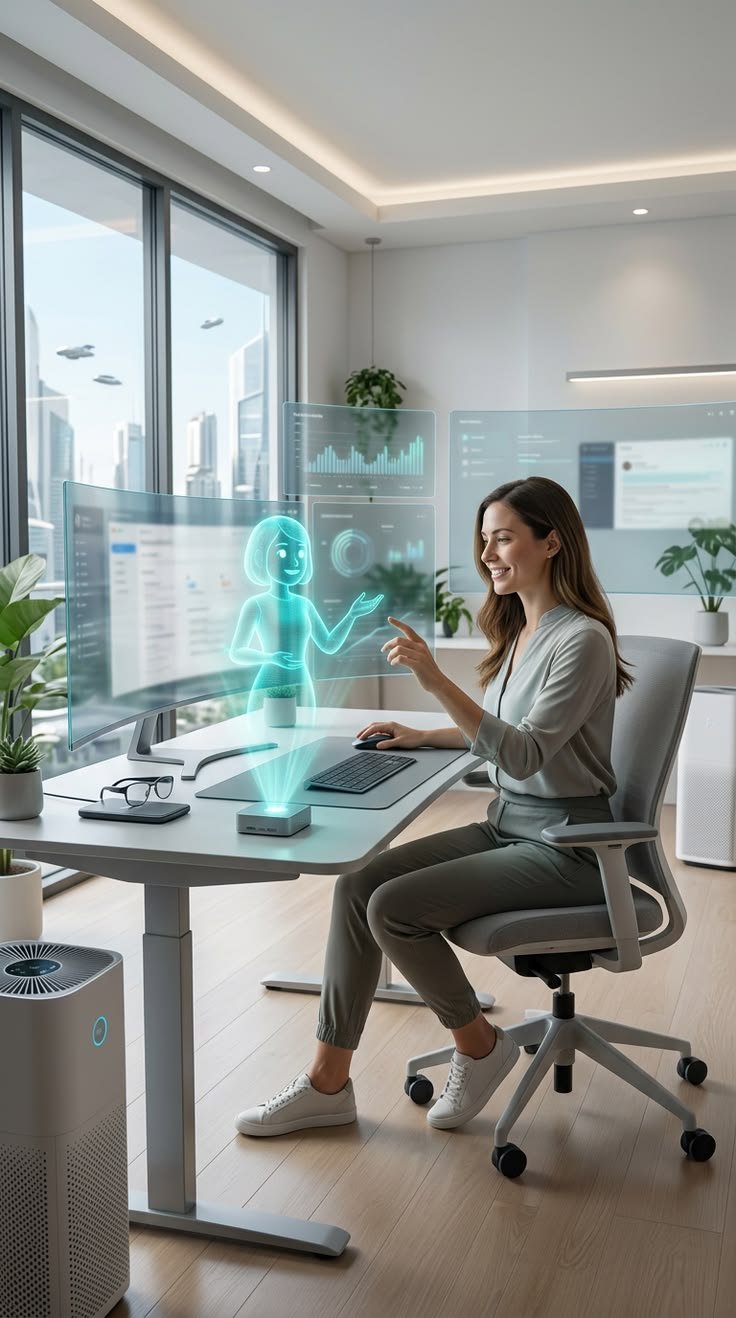
AI is exceptionally good at execution, but it lacks vision, taste, and lived experience. It can paint a picture, but it doesn’t know why a brand needs to evoke a specific emotional response from a customer. Workers are shifting from being manual creators to directors and editors. Instead of spending five hours writing code from scratch, a developer now acts like an architect, using AI to spin up base code while focusing their energy on system design, security, and solving complex architecture problems.
2. The Rise of AI Safety and Ethics
As algorithms make decisions about who gets a loan, what news you see, and how medical scans are prioritized, society needs watchdogs. We urgently need human experts to audit algorithms for bias, ensure data privacy, and regulate how companies deploy automated systems.
3. Boosting Niche Human Skills
When routine admin work gets automated, the value of pure, unadulterated human skills skyrockets. Empathy, negotiation, complex problem-solving, physical dexterity, and creative storytelling cannot be easily copied by a machine. A nurse comforting an anxious patient, a therapist guiding someone through grief, or a carpenter crafting custom furniture by hand possess skills that become more precious in a hyper-automated world.
Industries on the Frontline: Who Feels It Most?
Not every career faces the same level of disruption. The impact hits different sectors in very different ways:
- Customer Support: Basic tier-one support chat agents are rapidly turning into automated bots that handle password resets and tracking numbers instantly. However, human support reps are still needed for high-stakes, emotional, or complex customer disputes where empathy matters.
- Creative Arts and Writing: Entry-level freelance writing, stock illustration, and basic voiceover work are feeling the squeeze. Yet, original investigative journalism, high-end fine art, and deeply personal storytelling are thriving because audiences crave authentic human experiences.
- Healthcare and Science: AI acts as a powerhouse assistant here. It analyzes lab samples, tracks disease outbreaks, and spots tumors on X-rays. Rather than replacing doctors, it gives them superpowers, helping them make faster, more accurate diagnoses.
- Trades and Physical Services: Plumbers, electricians, mechanics, and HVAC technicians remain relatively immune to AI takeover. Fixing a leaking pipe behind a kitchen wall requires physical intuition, spatial reasoning, and adaptability that robots are decades away from mastering.
How to Future-Proof Your Career
Sitting back and hoping AI goes away is a losing strategy. The most practical way to protect your livelihood is to lean into adaptation. You do not need to become a software engineer or a data scientist overnight, but you do need to update your toolkit.
- Become an AI Power User: Learn how to use the tools relevant to your industry. A copywriter who knows how to use AI for research and brainstorming will easily outperform a copywriter who refuses to touch it.
- Double Down on Human Soft Skills: Sharpen your communication, leadership, and emotional intelligence. Machines can crunch numbers, but they cannot build trust with a client or lead a team through a crisis.
- Commit to Lifelong Learning: The days of learning one skill at age twenty-two and coasting with it until retirement are gone. Being curious, adaptable, and willing to learn new software or workflows is the ultimate career insurance policy.
The Verdict: Evolution, Not Extinction
Will AI replace human jobs? It will replace tasks, not necessarily whole careers.
When tractors took over farm labor, society didn’t run out of jobs; workers moved from manual crop-picking into manufacturing, logistics, and technology. AI is the next iteration of that exact cycle. It strips away the tedious, soul-crushing admin work that drains our energy, freeing us up to focus on higher-level strategy, human connection, and creativity.
The future belongs to the humans who figure out how to partner with technology instead of competing against it.