Imagine sitting in a high school algebra class thirty years ago. The teacher stood at the front of the room, writing formulas on a green chalkboard with squeaky chalk. If you did not understand how to solve a quadratic equation, your options were limited. You either raised your hand in front of thirty classmates, waited for after-school tutoring, or sat quietly and fell behind.
Now, step into a modern classroom or open up a digital learning platform today.
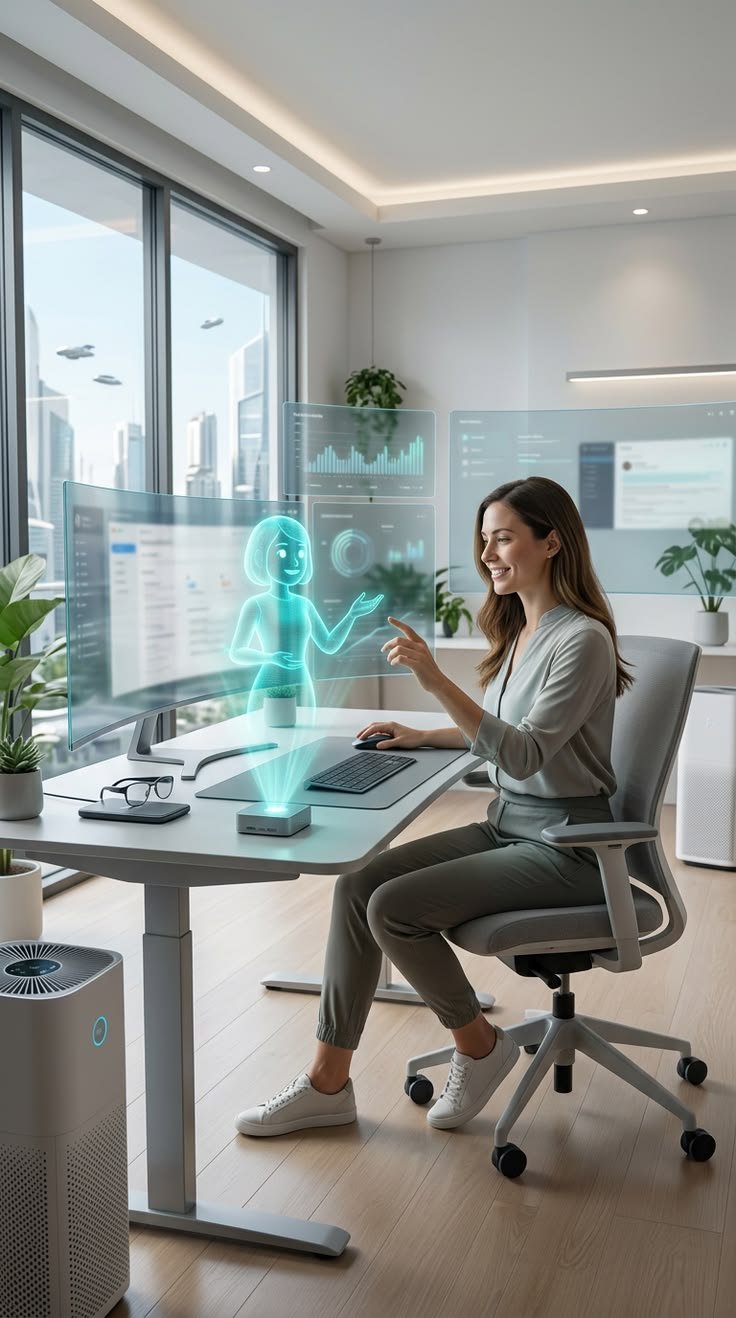
A student struggles with that same algebra problem on a tablet. Instead of getting stuck, an intelligent tutoring program steps in. It pinpoints the exact step where the student went off track, breaks the concept down into a simpler analogy, and generates a brand-new practice problem tailored to their specific learning style. The student masters the concept at their own pace, with zero panic.
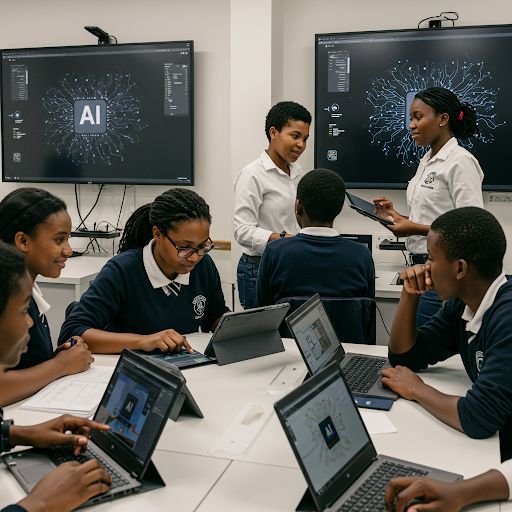
That is what happens when artificial intelligence meets the classroom. Education is undergoing its biggest transformation since the invention of the printing press. Let’s look at how AI is actively changing the way we learn, teach, and grow, without the tech jargon.
The Shift From One-Size-Fits-All to Personalization
For generations, traditional schooling has operated on a conveyor-belt model. A teacher delivers a lesson to a room full of twenty-five to thirty students at a fixed speed. If you catch on quickly, you might get bored. If you need a little extra time to process the material, you risk getting left behind as the class moves on to the next chapter.
It is not the teachers’ fault. Human beings cannot split themselves into thirty different versions to cater to every individual mind simultaneously.
Enter adaptive learning software powered by AI.
These smart systems act like a private tutor living inside a student’s device. As a student works through math, science, or language lessons, the software tracks their performance in real-time. If a student breezes through grammar quizzes, the system ramps up the difficulty to keep them challenged. If another student struggles with verb conjugations, the program slows down, offers extra hints, and presents the material using visual charts instead of blocks of text.
Everyone gets a custom learning pathway designed specifically for how their brain works.
How AI is Making Life Easier for Teachers
There is a common myth floating around that AI is going to replace human teachers. Anyone who has ever tried to manage a room full of twelve-year-olds knows that computers are nowhere near capable of replacing the empathy, patience, and leadership of a real educator.
Instead of replacing teachers, AI is stepping in as an overworked assistant.
Teachers spend an astonishing number of hours every week handling non-teaching tasks. Grading multiple-choice tests, filling out administrative reports, planning lesson outlines, and tracking attendance consume massive blocks of time that could be spent actually interacting with students.
Smart tools now take over these heavy chores:
- Automated Grading: AI programs can grade multiple-choice exams and even give initial feedback on essay structures in seconds, saving teachers entire weekends of paperwork.
- Lesson Plan Generation: Educators use AI assistants to brainstorm creative classroom activities, generate quiz questions, or adapt reading materials to different reading levels in their classes.
- Early Warning Systems: By tracking attendance, homework submission rates, and test scores, AI flags students who might be quietly slipping behind, giving teachers a chance to step in and offer support before it is too late.
By cutting down the administrative clutter, teachers get back to what they do best: mentoring, inspiring, and connecting with human beings.
Breaking Down Language and Accessibility Barriers
Education should be open to everyone, regardless of where they live, what language they speak, or what physical challenges they face. AI is tearing down old walls that used to keep eager learners locked out.
Imagine a brilliant student in a remote village who wants to learn advanced computer science, but the best university lectures are only available in English. Real-time AI translation tools can now translate video lectures into dozens of regional languages with natural-sounding voices, making world-class knowledge universally accessible.
For students with disabilities, AI is a game-changer. Speech-to-text software helps students with physical motor challenges write essays effortlessly. Text-to-speech tools assist students with dyslexia. Visual recognition software translates textbook diagrams into detailed audio descriptions for visually impaired learners. Technology levels the playing field, ensuring that a physical hurdle never stands in the way of a curious mind.
The Flip Side: Challenges We Need to Watch Out For
As exciting as these educational upgrades sound, bringing AI into schools comes with real concerns that parents, students, and school boards are wrestling with right now.
1. The Temptation of Shortcuts
When AI tools can write an entire five-page essay on the causes of World War I in ten seconds, students face a massive temptation to skip the actual learning process. If students use AI to do all their thinking for them, they miss out on developing critical thinking, writing skills, and resilience. Schools are scrambling to figure out how to teach students to use AI as a study partner rather than an assignment proxy.
2. The Digital Divide
AI-driven education requires fast internet connections, modern laptops, or tablets. If a school district lacks funding or low-income families cannot afford smart devices at home, the gap between the haves and have-nots widens drastically. Technology can bridge gaps, but it can also magnify existing inequalities if access is uneven.
3. Data Privacy Concerns
Learning platforms collect massive amounts of data on students—what questions they miss, how fast they read, where their attention wanders. Protecting sensitive student information from corporate data harvesting or security breaches is a massive responsibility that schools and software developers must take seriously.
The Classroom of Tomorrow
We are just scratching the surface of what is possible. Soon, immersive virtual reality paired with AI conversation partners will allow history students to “walk” through ancient Rome and chat with virtual historical figures about daily life. Science students will run complex chemistry experiments in simulated digital labs without any risk of spilling dangerous chemicals.
The heart of education has never been about memorizing facts out of a static textbook. It is about sparking curiosity, learning how to ask good questions, and building the confidence to solve hard problems.
When we use AI thoughtfully, it stops being a threat and turns into a powerful launchpad. It clears away the administrative noise, meets every student at their exact level, and opens the door to a future where anyone with a spark of curiosity can learn anything they want.